
Patash Khoār-Gar (Pentalogy)
The story unfolds through a vast array of characters and intricately crafted settings, each rooted in different corners of the ancient world’s geography. As these heroes engage in an unprecedented cosmic struggle, the novel paints a grand tapestry of courage, sacrifice, and spiritual transformation.
The name Patash-Khowargar (Patash-Kho-Aar-Gar), which gradually evolved into the modern Savādkūh, refers to a mountainous region in today’s Mazandaran. This name has echoed through Iranian history for millennia, appearing in ancient inscriptions, tablets, and literary texts. The novel’s titular hero, Patash-Khowargar, is the ruler of the fortress of Cherat, located deep in this ancient land-an eternal borderland between the realms of humans and demons. Though forged in war, his heart is pledged to Ahuraic righteousness.
The origins of this monumental work lie in Arman Arian’s academic research. His master’s dissertation, later published as the book The Encyclopedia of the Avesta’s Dramatic Elements, has since become a key reference in the field of mythological and epic literary adaptation. It laid the intellectual and creative groundwork for the Patash-Khowargar pentalogy.
The series has received widespread critical acclaim. In 2018, the third volume, Patash-Khowargar: Over the Foundations of Existence, was selected for inclusion in the White Ravens Catalogue by the International Youth Library in Munich, Germany-an honor reserved for exceptional books from around the world.
In 2021, the entire Patash-Khowargar series was selected as a distinguished original work by the Children’s Book Council of Iran and received the Little Black Fish Honorary Medal. It was awarded the 5-star Flying Turtle and the Medal of the 19th Flying Turtle Book Award. Furthermore, the fifth and final volume, Patash-Khowargar 5: The Epic Within, received the Honorary Diploma from IBBY in Italy and was included in the 2024 Honour List of the International Board on Books for Young People.
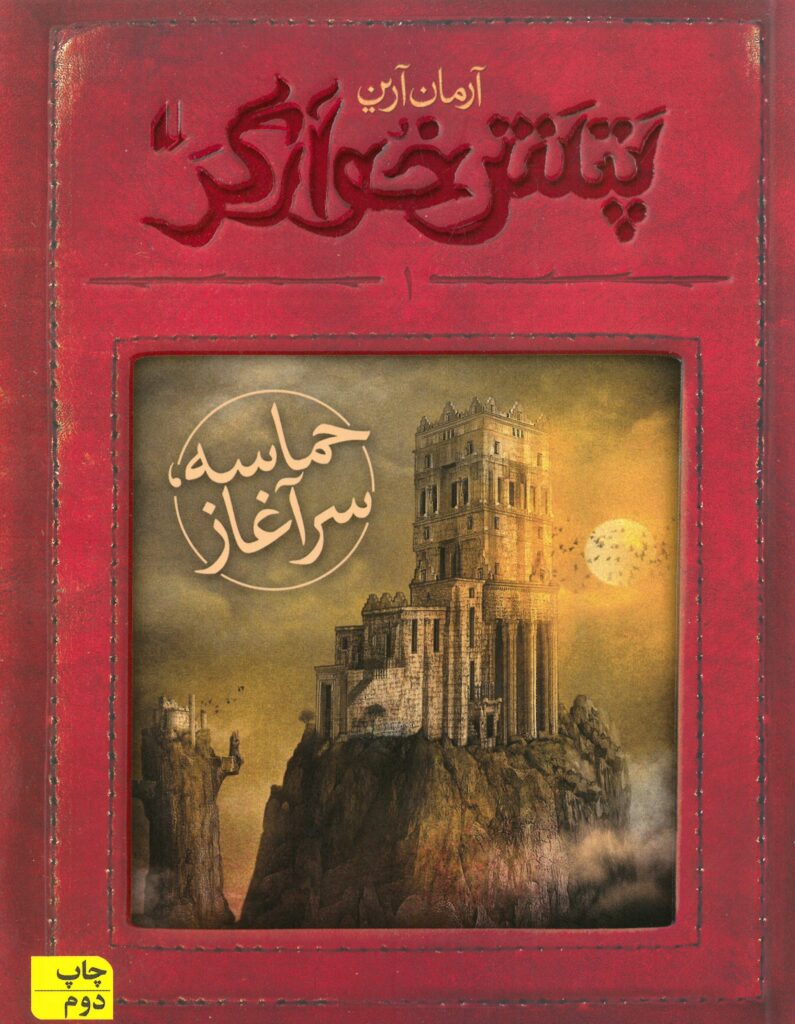
Patash Khoār-Gar (First Volume).
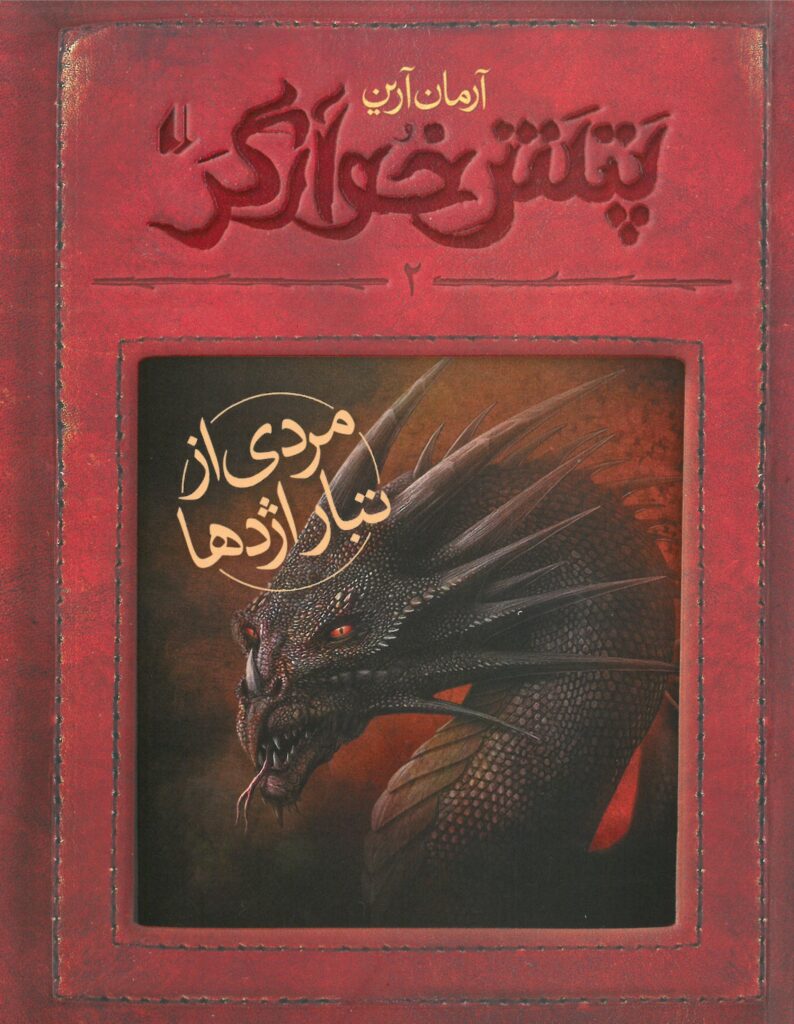
Patash Khoār-Gar (Second Volume).
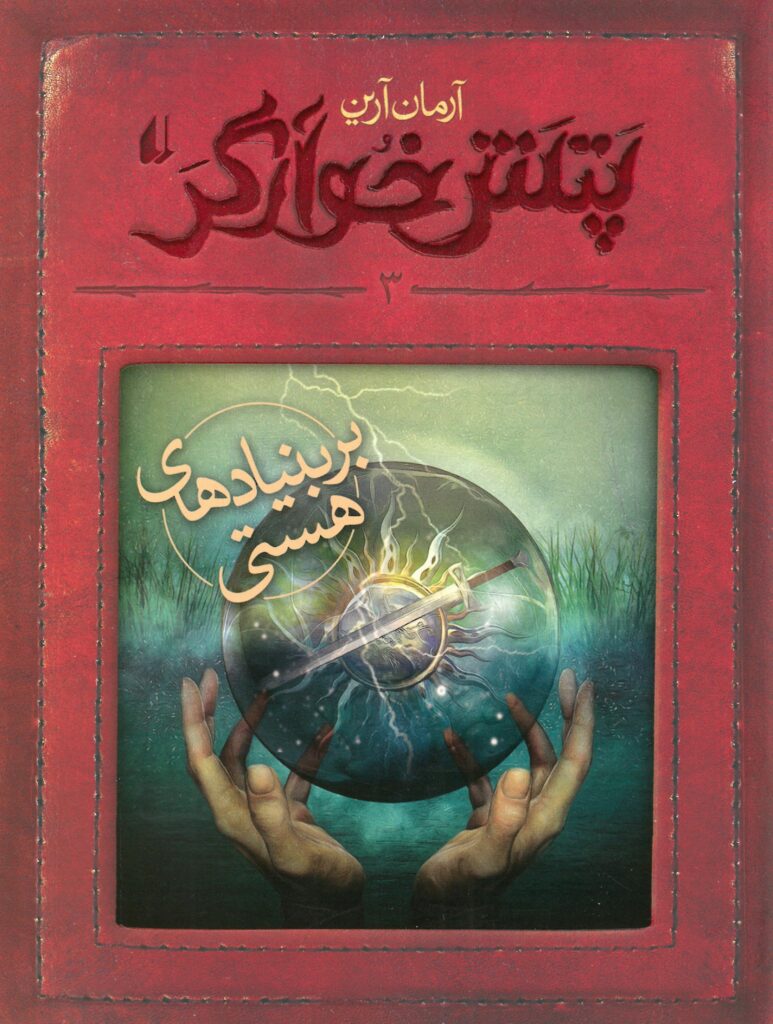
Patash Khoār-Gar (Third Volume).
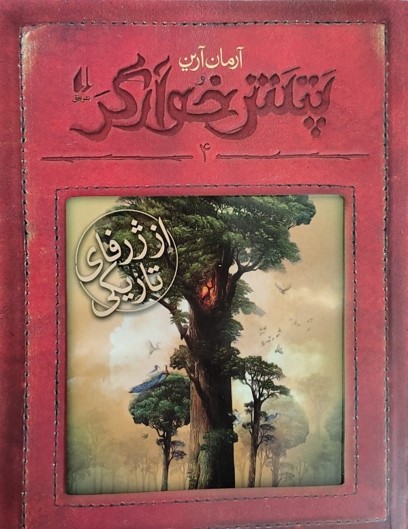
Patash Khoār-Gar (Fourth Volume).
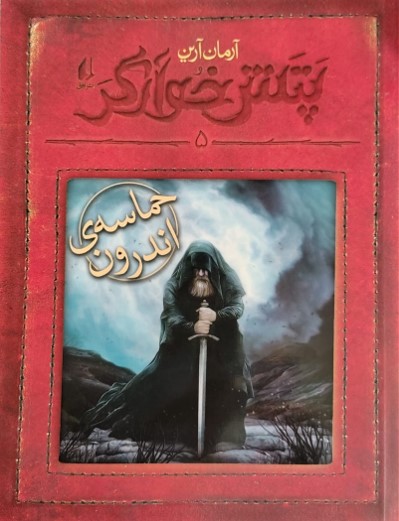
Patash Khoār-Gar (Fifth Volume).
In one of the most recent publication about the first volume of the pentalogy of Patash Kwargar, Dr. Hasan Parsayi , an acclaimed author, translator and literary critic, writes “[in Patash Kwargar] which is based on the dramatic elements of Avesta and Bundahesh, the first thing which captivates the reader’s feeling and mind, and drag them into different layers of story is the imaginative and fantastic world of the novel which creates impressive and astounding settings and story plot from the beginning… through employing multiple narratives, Arian initially depicts the situations and stories of his characters, and thereafter the multiple lines start to emerge into the coherent story as the connections between these separate lines of the story became apparent” (P.44). Parsayi adds “in some parts of the novel, the author focuses all his emotional and intellectual energy on the creation of action-driven sequences and imaginary peculiar creatures. These moments of the story reveal the high level of author’s creativity and his perfect control over his novels factual and fictitious elements of the story. Therefore, he creates creatures, characters and the world which are unprecedented and unique” (P.51).
Finally, Parsayi concludes “through his thematic appropriateness and aesthetic style and narrative structure, [Arian’s Patash Kwargar] is an epic high-fantasy novel which equate with similar internationally successful works. Benefiting from the power of imagination and thematic designs, various areas of existence are transformed into narrative settings, from land and sea to mountains and sky. In addition to the adolescent age group, this novel, based on its linguistic structure and story, is well suited for the needs and tastes of adults and even those young writers who are striving to target adolescents in their books” (p. 53).
In another academic article, Amlashi and Maleki describe Patash Kwargar as ‘the first Iranian mythical fantasy novel which recreated the dramatic elements of Avesta and Bundahesh’ (p.29). After comprehensive analysis of different domains of the universe of Patash Kwargar such as characters and characterization, spatial constructs and linguistic structure, Amlashi and Maleki conclude that “the novel of Patash Kwargar has strengths such as appropriate spatial construct, suspenseful narrative, remarkable characterization, avoiding absolutism in regard to mythical characters, creating dynamic and lively characters, and utilizing clear language and vivid imagery […] the richness of content and the thoughtful structure of this novel create a pleasant experience for the readers” (35-36).
Footnotes:
1- Parsayi, Hasan (2018). A Pluralistic Approach To Fiction And Fictional Creatures: An Analysis of Over the Existence Foundations, a volume from the panthology of Patash Khoargar by Arman Arian. Children & Young Adults Quarterly Book Review. 16: 43-53.
2- Amlashi, Zahra, P. & Maleki, Farnaz (2017). Innovation in Creating Mythical Characters: a Survey into Arman Arian’s Patash Khoargar. Children & Young Adults Quarterly Book Review. 12: 29-36. (Winner of the best literary article from The Children’s Book Council of Iran)